
Paper Products Applications
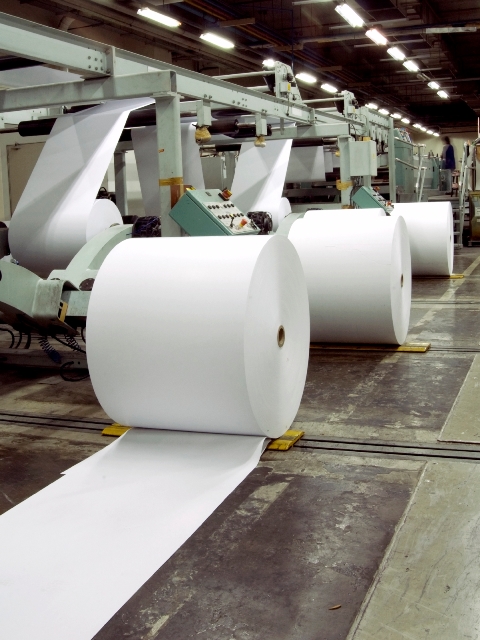
Pulp and paper lines operate under extreme conditions – heat, moisture, and speed – where any process instability can lead to web breaks, sheet defects, or unplanned stops.
LineSpex brings high-resolution monitoring to key stages like pulp forming, pressing, drying, and rewinding. Teams can instantly review issues like edge tears, roll misalignment, or sheet flutter using our time-synced camera system. Whether you’re investigating a chronic break point or validating a process change, LineSpex provides the clarity needed to minimize waste and keep production flowing.
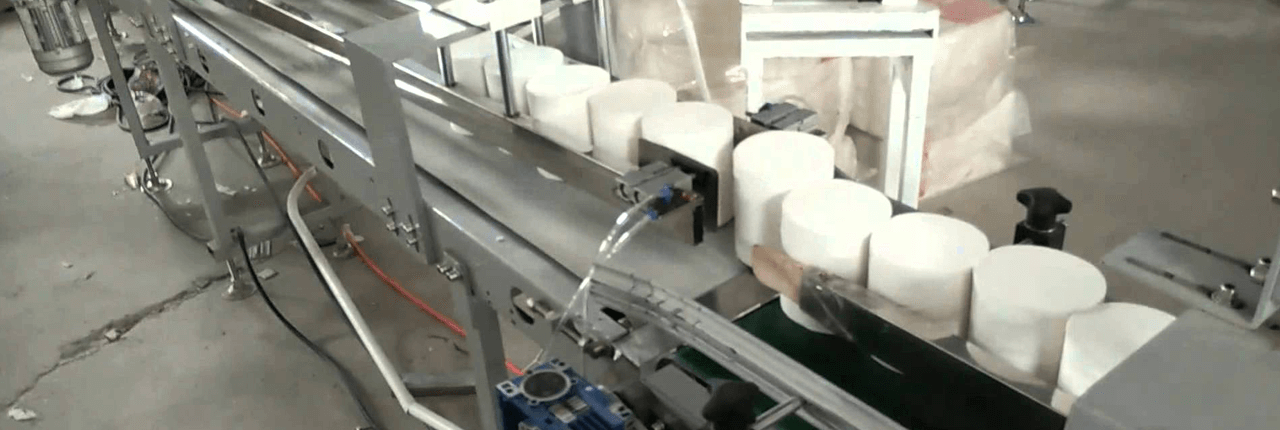
Product Type: Toilet Tissue
Process/Equipment Monitored: Log Saw (final cutting of tissue rolls into retail-sized lengths)
Issues Captured Using LineSpex:
- Missed cuts or double cuts
- Blade drift or wobble at high speed
- Misaligned product position as it enters the blade
- Binding or tearing due to crushed core or irregular roll length
Value of High-Speed Footage:
- Operators often can’t see the blade engagement moment. Footage reveals how product behavior changes as RPM increases or wear accumulates on the blade.
- Can correlate PLC “reject” or E-stop events with precise pre-failure visuals.
Real-World Root Cause Examples:
- A “soft-core” product issue caused unstable product presentation during cut; found to originate from web tension inconsistency two stages earlier.
- Operator blamed blade wear, but footage showed roll was miscentered due to slipping conveyor finger.
Ideal Deployment: Permanent System (for capturing trends over days/weeks); Mobile Cart also useful for first-time diagnostics.
Product Type: Paper Towels
Process/Equipment Monitored: Embossing Roll + Rewind Section
Issues Captured Using LineSpex:
- Poor emboss alignment (leading to visual or tactile defects)
- Web breaks or tears at high speed
- Wrinkles or telescoping rolls
Value of High-Speed Footage:
- Enables visual verification of process pressure, tension, and emboss pattern accuracy at full line speed (often >1000 ft/min).
- Can visualize transient tension oscillations invisible to the human eye.
Real-World Root Cause Examples:
- Found intermittent web breaks due to micro-tears formed by dirty dancer roller – cleaned and resolved.
- Excessive pressure on nip roll caused slippage in lower ply, showing uneven lamination.
Ideal Deployment: Permanent System (for web-related patterns), with Mobile Cart used during setup or pressure profile changes.
Product Type: Tissue Rolls for Away-from-Home/Commercial Use
Process/Equipment Monitored: Core Winding and Web Alignment Section
Issues Captured Using LineSpex:
- Core misalignment or partial insertion during start-up
- Wrinkles or edge weave due to web misalignment
- Telescoping caused by improper tension layering
Value of High-Speed Footage:
- Allows engineering to validate whether core handling is mechanical or material related.
- Diagnoses issues in <1 second interactions that may take days to replicate or inspect manually.
Real-World Root Cause Examples:
- A vibration issue in the dancer arm caused drifting core presentation – exposed in slow motion.
- A film roll drifted inward repeatedly – found to be an issue with miscalibrated nip roller engagement.
Ideal Deployment: Permanent (for drift/tension monitoring); Mobile Cart (for changeover validation and core handling).
Product Type: Base Sheet Manufacturing (Parent Rolls)
Process/Equipment Monitored: Rewinder Exit + Roll Transfer Zone
Issues Captured Using LineSpex:
- Web breaks during acceleration/deceleration
- Slap during roll changeovers causing surface damage
- Poor edge control during buildup
Value of High-Speed Footage:
- Raw footage allows visibility into web and roll behavior during transitional states – changeovers, ramp-up, roll handoffs.
- Helps prove whether issues are mechanical, timing-based, or automation-related.
Real-World Root Cause Examples:
- Found a loose clamp on the roll arm causing it to “jitter” on landing.
- Static discharge at handoff point caused micro-tears in certain humidity ranges.
Ideal Deployment: Permanent (especially with PLC integration for tension faults); Mobile Cart (if used during weekly changeover audits).
Product Type: Tissue Rolls (Retail or Industrial)
Process/Equipment Monitored: Inkjet Code Printer + Print Verification Zone
Issues Captured Using LineSpex:
- Code misprints or smears
- No-print or double-print events
- Reject arm activation too early or late
Value of High-Speed Footage:
- Syncs printer fire signal with visual result and reject action
- Helps narrow down if problem is with timing, ink delivery, or environmental interference
Real-World Root Cause Examples:
- Found overspray due to poor ventilation pulling ink droplets off mark
- Encoder slippage caused code to shift 5 mm downstream after machine warm-up
Ideal Deployment: Permanent if code verification system is present; Mobile Cart for diagnosing reject frequency.
LineSpex has designed productivity camera and video solutions to view and capture visual evidence of each strategic segment of the automated procedure. Product processing is a critical manufacturing segment; once the processing has been completed there is no going back to the original raw materials. Production stoppages, wastage, process malfunctions and loss of production efficiency effects profitability.